
Stock says 12 units. The shelf says 8.
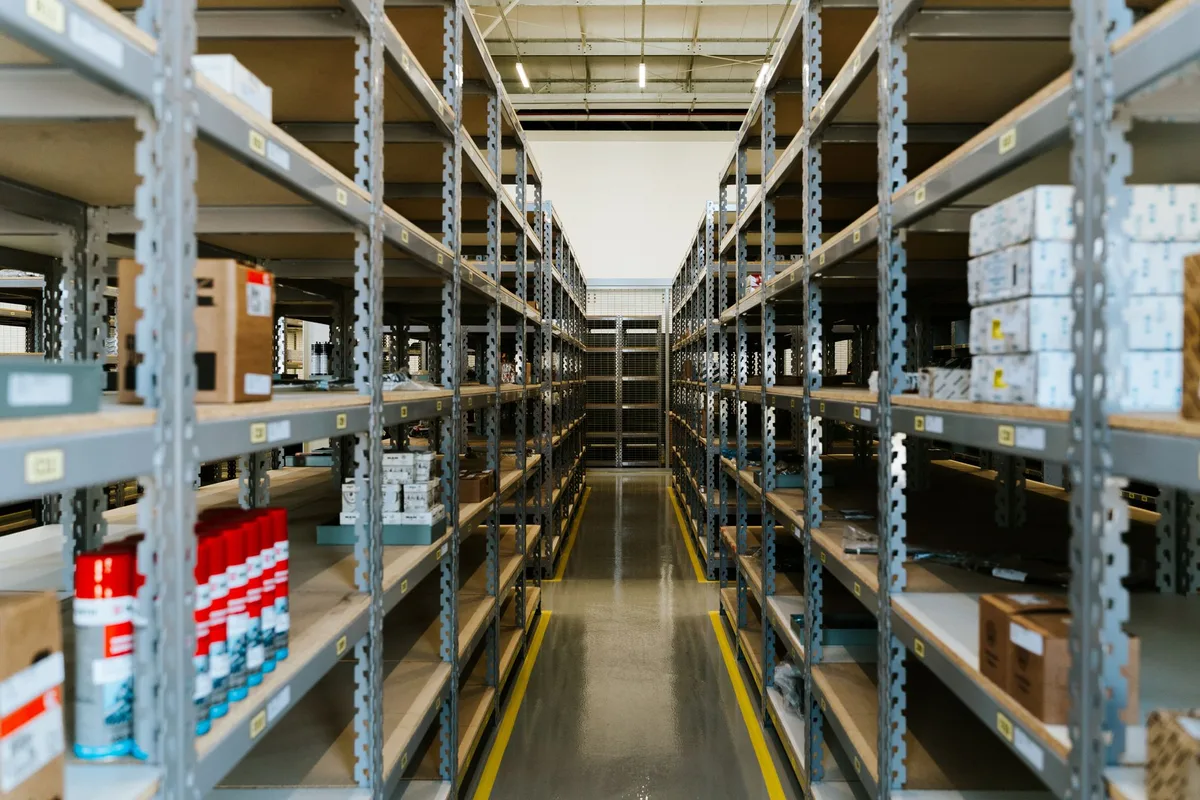
That gap lives between your marketplace dashboard and your warehouse floor. A WMS management system closes it. It controls what happens inside the warehouse: where products sit, how they move, and whether your digital count matches physical reality.
What Is a WMS Management System?
A WMS management system (warehouse management system) is software that assigns every product a physical storage location, generates pick lists for warehouse staff, tracks stock movement, and syncs inventory to connected sales channels. The Philippines sits inside a Southeast Asian digital economy that reached USD 263 billion in GMV in 2024, per the e-Conomy SEA 2024 report by Google, Temasek, and Bain, which makes warehouse accuracy a competitive requirement rather than a nice-to-have for any seller scaling across channels.
A WMS management system sits between your sales channels, Shopee PH, Lazada PH, TikTok Shop Philippines, and your warehouse floor. It translates “Order #38214: 1x Phone Case Black” into a specific instruction: “Go to Bin A3-R2-S4, pick 1 unit.”
Without a WMS, warehouse staff rely on memory or handwritten shelf labels. That works for 50 SKUs in a single room. It breaks down once you add staff, expand your product range, or run a Shopee 11.11 campaign that doubles daily order volume overnight.
The term “WMS management system” is often used interchangeably with “warehouse management system” or “WMS software.” The distinction that matters is scope. Some tools handle pure warehouse operations: bin tracking, pick lists, receiving. Others combine WMS features with order management and inventory management inside one platform, which is how most Philippine sellers actually run their stack.
What Core Functions Does a WMS Management System Handle?
A WMS management system covers five core functions: bin location assignment, pick list generation, stock movement tracking, receiving and put-away, and cycle counting. Philippine sellers who implement structured bin management report order accuracy improvements of 20-40%, based on published case studies from Ginee and Sellercraft user communities.
Not every WMS feature carries equal weight for a Philippine ecommerce operation. These are the functions that actually move the needle.
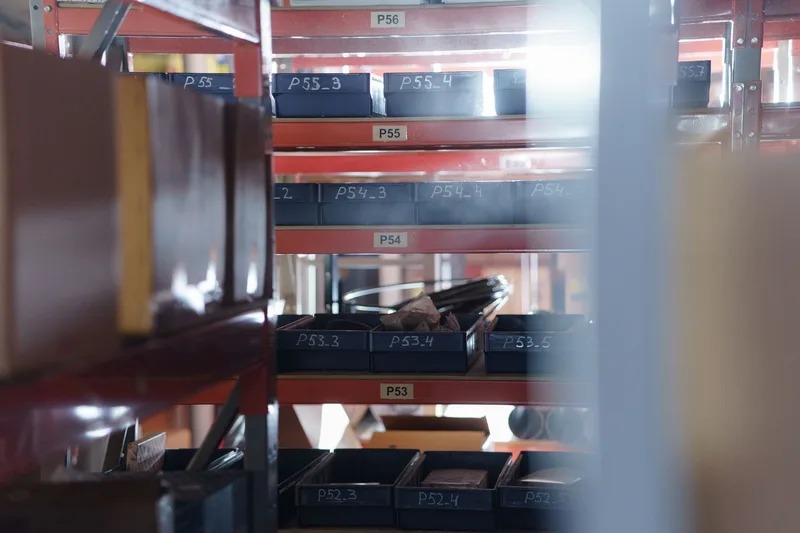
Bin Location Assignment. Every product gets a fixed address: not just “shelf 3,” but Aisle A, Rack 2, Shelf 3, Bin 04. The WMS maps the full warehouse and assigns open bins to new SKUs as they arrive. When a product sells out, that bin is marked open for the next incoming shipment.
Pick List Generation. A WMS turns incoming orders into optimized pick routes. Basic systems generate one list per order. Advanced systems support wave picking: batching several orders so a picker visits each bin once per run instead of walking back to the same shelf repeatedly. For operations handling 100 or more daily orders, wave picking cuts total pick time by 30-40%, per published documentation from Anchanto and Ginee.
Stock Movement Tracking. Every movement through the warehouse gets logged: receiving, bin assignment, picking, packing, dispatch. That creates an audit trail. When a discrepancy shows up, say 47 orders shipped but only 44 picks logged, the movement history narrows the problem to a specific step instead of a full floor search.
Receiving and Put-Away. When new stock lands, the WMS guides the process: scan the shipment, verify against the purchase order, assign a bin location. More advanced systems suggest put-away spots based on how fast a product sells, placing fast movers near the packing station and slow movers toward the back.
Cycle Counting. Instead of shutting the warehouse for a full annual count, the WMS runs small counting tasks continuously. Count Bins A-01 through A-10 today, A-11 through A-20 tomorrow. Over a month, every location gets counted without stopping fulfilment.

How Does a WMS Sync Inventory Across Shopee PH and Lazada PH?
A WMS management system syncs physical warehouse counts to Shopee PH, Lazada PH, and TikTok Shop Philippines through direct API integrations. Without synchronized counts, multi-channel Philippine sellers face real oversell exposure during peak campaigns, since a single Shopee 11.11 or Lazada Mega Campaign can generate a burst of oversold orders within minutes when real-time sync is missing.
Orders from Shopee PH, Lazada PH, and TikTok Shop Philippines can land within seconds of each other. A WMS that syncs to every channel keeps the warehouse floor count matched to what each marketplace shows as available.
Here is how the sync works in practice:
- Your warehouse holds 50 units of SKU X-001
- All connected marketplaces show 50 units available
- Three orders arrive almost simultaneously: 1 Shopee PH, 1 Lazada PH, 1 TikTok Shop
- The WMS records 3 picks; 47 units remain
- All three marketplaces update to 47 units
Without WMS-driven sync, step 5 happens on a delay, or not until the next scheduled refresh. For sellers running Shopee Flash Sales or Lazada Mega Campaigns with limited stock, a lag of even 15 minutes can generate several oversold orders before the count corrects, per seller community reports on peak-period sync failures.
The main WMS-capable platforms in the Philippines with confirmed marketplace integrations, per each platform’s official documentation:
| Platform | Shopee PH | Lazada PH | TikTok Shop PH | Sync Type |
|---|---|---|---|---|
| Ginee | Yes | Yes | Yes | Near-real-time |
| Sellercraft | Yes | Yes | No | Periodic |
| Anchanto | Yes | Yes | Yes | Near-real-time |
For courier-side dispatch once an order is picked, most Philippine WMS setups connect straight through to J&T Express PH, Ninja Van PH, and LBC Express, so a confirmed pick also triggers a shipping label.
Which WMS Management Systems Are Available in the Philippines?
Philippine ecommerce sellers have three credible WMS management system options: Ginee (free to roughly PHP 5,000/month), Sellercraft (from roughly PHP 3,000/month per seller community reports), and Anchanto (enterprise pricing above PHP 25,000/month). Ginee is the most widely adopted option among small-to-mid Philippine sellers based on seller community reports and platform availability.
Ginee. The most widely used WMS-capable tool among Philippine small-to-mid sellers. Its WMS features include bin management, stock alerts, and pick lists. The free tier supports a limited monthly order volume; paid plans with WMS functionality typically run PHP 1,500-5,000 per month based on order count, per Ginee’s published pricing. Right for sellers under 300 SKUs who need multi-marketplace sync and basic warehouse control without enterprise complexity.
Sellercraft. Covers inventory tracking alongside straightforward warehouse workflows. It integrates with Shopee PH and Lazada PH, with Philippine seller community reports indicating plans from roughly PHP 3,000 per month. Best for single-warehouse operations processing under 200 daily orders where Shopee and Lazada are the primary channels. TikTok Shop Philippines integration is not currently available, which limits its fit for sellers expanding to that channel.
Anchanto. Built for complex, multi-warehouse operations. Its WMS module includes zone management, wave picking, advanced receiving workflows, and courier integration with J&T Express PH, Ninja Van PH, and LBC Express. Based on Anchanto’s public positioning, it suits operations managing 500 or more SKUs across multiple facilities; it is typically overkill for a single-warehouse seller just adding structure.
For sellers weighing outsourced fulfilment instead of licensing software directly, the warehouse management system guide for Philippine sellers covers fulfilment-as-a-service options that bundle WMS technology into the service.
How Do You Choose the Right WMS for Your Philippine Operation?
Match WMS scale to operation size: under 200 SKUs and 30 daily orders, use Ginee’s free or basic tier; 200-800 SKUs and 30-200 orders, use Ginee’s paid tier or Sellercraft; 800 or more SKUs or multiple warehouses, use Anchanto. Overshooting on complexity creates workflow friction without measurable accuracy gains, a common mistake among Philippine sellers who buy enterprise WMS before their operation needs it.
The most common buying mistake is choosing a WMS based on feature lists rather than current scale. A seller processing 40 orders a day from a 100-SKU warehouse in Metro Manila or Cebu does not benefit from wave-picking algorithms or zone-level routing. The added setup complexity creates friction without solving a real problem yet.
| Scale | SKU Count | Daily Orders | Staff | Recommended Tool |
|---|---|---|---|---|
| Small | Under 200 | Under 30 | 1-2 | Ginee (free or basic tier) |
| Mid | 200-800 | 30-200 | 2-5 | Ginee (paid) or Sellercraft |
| Large | 800-2,000 | 200-500 | 5-15 | Anchanto |
| Enterprise | 2,000+ | 500+ | 15+ | Anchanto or custom WMS |
Two questions worth verifying before signing a contract:
Does it support your actual marketplace mix? “Supports marketplaces” in a sales deck can mean different things in practice. If you sell on TikTok Shop Philippines, verify that integration specifically. Sellercraft, for example, does not currently support it. Check official platform documentation rather than the pitch.
What is the real sync interval? “Real-time sync” in marketing copy often means a 5-15 minute interval in practice. During Shopee Flash Sales or Lazada Mega Campaign periods, that lag can generate multiple oversold orders before the count corrects, per seller community reports on peak-period failures. Ask for a test account and check sync speed against your live marketplace before you commit.
Sellers just getting started with a single marketplace and a small storage room rarely need a full WMS yet. The Department of Trade and Industry (DTI) tracks the country’s fast-growing digital trade sector, and most Philippine sellers scale into a warehouse-grade system only after crossing the order volumes above, not before.
Frequently Asked Questions
What is a WMS management system?
A WMS management system (warehouse management system) is software that controls physical stock movement inside a warehouse. It assigns bin locations, generates pick lists, tracks movement, and syncs inventory to connected sales channels. Philippine sellers with 80 or more daily orders across Shopee PH and Lazada PH typically see 20-40% fewer picking errors after adopting structured bin workflows, per published case studies from Ginee and Sellercraft user communities.
What is the difference between a WMS and an inventory management system?
An inventory management system tracks how much stock exists across locations and channels. A WMS manages how that stock physically moves inside the warehouse: where it is stored, how it is picked, and how it is received from suppliers. Tools like Ginee combine both functions, but dedicated WMS platforms add bin-level tracking, wave picking, and cycle counting that basic inventory apps do not offer.
How much does a WMS management system cost in the Philippines?
Entry-level tools with WMS features, such as Ginee’s paid tiers, typically start from PHP 1,500-5,000 per month based on order volume. Mid-market platforms with dedicated WMS modules generally range from PHP 8,000-25,000 per month. Enterprise solutions like Anchanto sit above that range. Verify current pricing directly with each provider, since plan structures change periodically.
Can a WMS management system integrate with Shopee PH and Lazada PH?
Yes. Ginee, Sellercraft, and Anchanto all integrate directly with Shopee PH and Lazada PH, per each platform’s published documentation. Ginee and Anchanto also support TikTok Shop Philippines. Integration depth varies by plan, so verify the actual sync interval, not just whether integration exists, before committing, especially around Shopee 11.11 and Lazada Mega Campaign.
When do you need a WMS versus a basic inventory app?
A basic inventory app handles under 200 SKUs, fewer than 30 daily orders, and 1-2 staff. A WMS becomes worth the cost once you reach roughly 300 SKUs, 2 or more warehouse staff, and 80 or more daily orders, or once picking errors and stock discrepancies start showing up regularly. That range is the signal zone for growing Philippine multi-channel sellers.
Keep Reading
- Warehouse Management System: Operations Guide for the Philippines — the five physical stages of warehouse operations and which local tools cover them
- Whse Management System: Fulfillment Workflows for Ecommerce — operational workflows for mid-market Philippine warehouses
- Ecommerce Order Management Systems — how WMS connects to OMS for end-to-end order fulfilment in the Philippines