
You searched “warehouse system” and got three different answers: shelving companies, WMS software, and 3PL warehouses. All three are correct. None of them alone is the whole system.
What Is a Warehouse System?
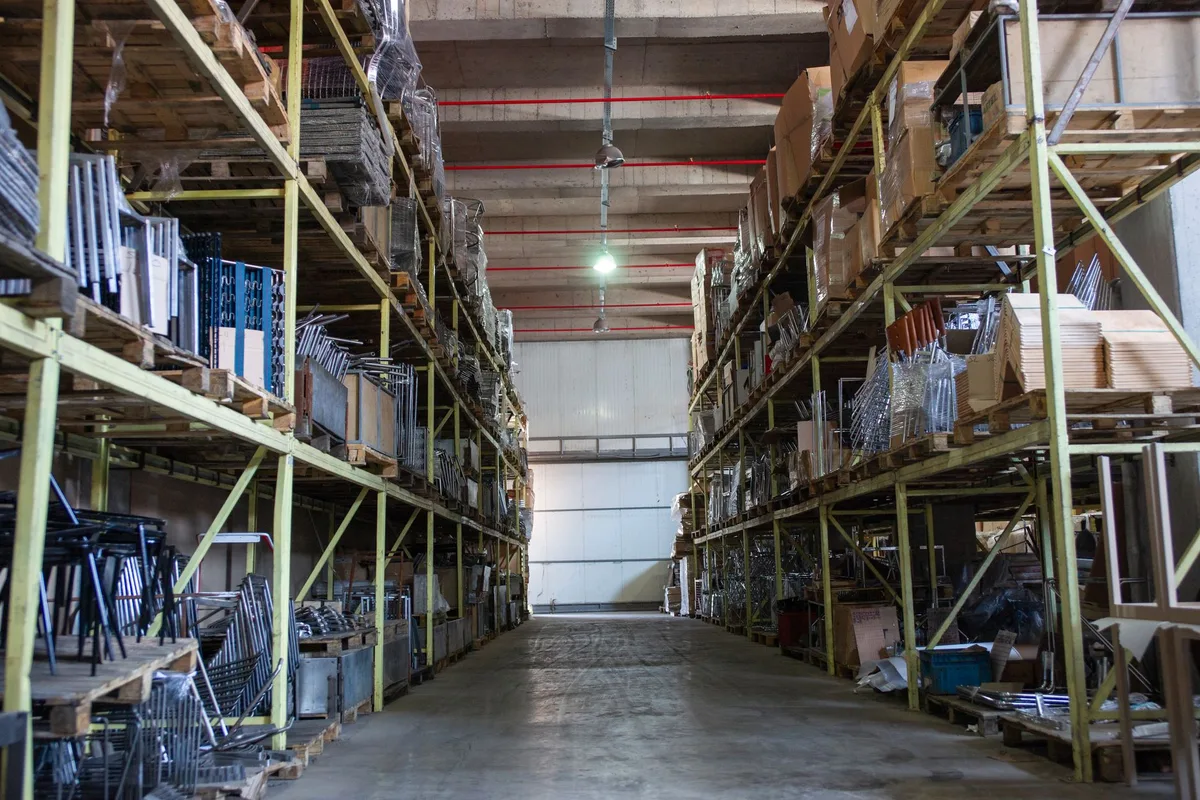
A warehouse system for ecommerce is the combination of physical storage infrastructure and software that together control how stock is stored, found, and moved. Buying only racking or only software solves half the problem: a full system needs both, or a 3PL that provides both for you.
The term gets used loosely, and that causes real confusion when Malaysian sellers start shopping. A racking supplier will sell you a “warehouse system” that is entirely physical: steel frames, beams, and shelving. A software vendor will sell you a “warehouse management system” that is entirely digital: bin codes, pick lists, and stock sync. Both are technically accurate uses of the term. Neither is complete on its own.
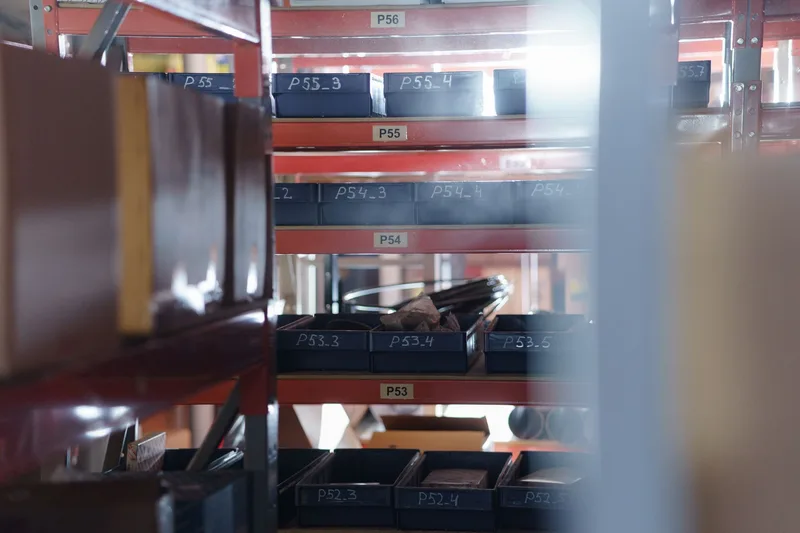
A physical racking system without software still requires someone to remember which shelf holds which product. Software without organized physical storage has nothing to reference: a WMS cannot generate an accurate pick list for a bin location that doesn’t exist yet. The two components solve different halves of the same problem: where products physically sit, and how that information gets tracked and acted on.
For sellers running multiple stores across Shopee MY, Lazada MY, and TikTok Shop, this matters because the order management system that processes your sales is a separate layer again: it handles the commercial side (orders in, labels out), while the warehouse system handles what happens on the floor in between.
The Malaysia Digital Economy Corporation (MDEC) tracks rising multi-channel adoption among Malaysian SMEs, and that trend is exactly why more sellers outgrow informal storage and start shopping for “a warehouse system” in the first place.
Why Does This Distinction Matter Before You Buy Anything?
Sellers who buy WMS software before organizing physical storage typically redo the setup once shelving is finalized, wasting the initial configuration effort. Sellers who add racking without a tracking system solve organization but not visibility: staff still rely on memory to update stock counts.
Picture two common mistakes. The first: a seller signs up for a WMS platform, excited about pick lists and cycle counting, then realizes their storage area is still unorganized shelving with no consistent bin codes. The software has nothing accurate to reference, so the first weeks are spent retrofitting location data instead of using the tool.
The second: a seller invests in proper pallet racking, labels every bay clearly, and genuinely improves physical organization. But without a system tracking what’s in each location, updating stock counts across Shopee MY and Lazada MY still happens manually at the end of each day. Discrepancies between physical stock and what’s showing online persist because racking alone doesn’t sync anything.
Getting the sequence right avoids both failure modes: organize the physical layout first, then layer software on top of a structure that already makes sense.
What Are the Two Components You Can Buy Separately, and What Do They Actually Cost?
Physical racking is a one-time capital purchase, ranging from a few hundred to a few thousand Ringgit depending on warehouse size. WMS or inventory software is a recurring monthly cost. The two are not directly comparable, and most sellers underestimate that racking costs are paid once while software costs recur every month indefinitely.
| Component | What It Solves | Cost Structure | Where to Learn More |
|---|---|---|---|
| Physical racking | Where products physically sit; vertical space use | One-time capital cost | Warehouse racking guide |
| WMS / inventory software | Tracking, pick lists, marketplace sync | Recurring monthly subscription | WMS management system guide |
| 3PL (outsourced) | Both, handled by a third party | Per-order handling fee | Fulfillment and 3PL guide |
Racking suppliers price by the bay (frame, beams, decking) and installation is usually a separate line item. Software vendors price by order volume or SKU count, often with a free entry tier that scales up as you add orders or connected marketplaces. A 3PL folds both into a per-order or per-pallet fee, so you never buy racking or software directly: you’re paying someone else to already have both running.
Because the cost structures don’t map onto each other, comparing “racking cost” against “software cost” in isolation doesn’t tell you much. The comparison that matters is total cost per order, factored against your current volume, which is where the decision framework below comes in.
Which Setup Fits Your Business: Build It Yourself or Outsource It?
Under roughly 100-150 daily orders or with no dedicated storage space, a 3PL is usually cheaper and faster than building your own system. Above that volume with a fixed location, in-house racking plus software typically costs less per order once you’re past the initial setup.
Profile 1: No dedicated storage space, or under 100 orders/day
Skip building a warehouse system entirely. A 3PL absorbs both the physical and software components: you send stock to their facility, they handle storage, picking, and packing, and their system syncs with your sales channels. At low volume, the per-order fee is usually less than what you’d spend on rent, racking, and a staff member to run your own setup. See our 3PL and fulfillment guide to compare providers available in Malaysia.
Profile 2: Dedicated space, 100-500 orders/day, 1-3 staff
This is the build-it-yourself zone. Start with the physical layer: organize shelving with a simple zone-based system before spending on software. Once storage locations are fixed and labelled, layer on inventory or WMS software to track stock and sync to Shopee MY and Lazada MY. Our racking guide covers the physical setup step, and the WMS guide covers picking the right software tier for this volume.
Profile 3: 500+ orders/day, multi-warehouse, or scaling fast
A full in-house system with proper racking, structured pick lists, and enterprise-grade software becomes the lower-cost option per order at this scale, even accounting for staffing and lease. Some sellers at this size still use a 3PL for overflow or for a second region, running a hybrid model rather than choosing one or the other exclusively.
What Mistakes Do Sellers Make When Setting Up a Warehouse System?
The most common mistake is buying the two components in the wrong order or from the wrong urgency: software before layout, or racking sized for a warehouse the seller doesn’t have yet. A close second is assuming “warehouse system” from a single vendor covers both halves without checking.
Buying software before the physical layout is settled. As covered above, this creates rework. Fix your storage layout, even informally with hand-labelled shelves, before configuring bin codes in any software tool.
Assuming one vendor’s “warehouse system” covers everything. A racking company selling a “complete warehouse system” is selling shelving, not software. A SaaS platform with the same name in its marketing is selling software, not steel. Ask directly which half of the system a vendor’s product covers before signing anything.
Sizing racking for future growth you don’t have yet. Over-ordering racking capacity ties up cash in steel that sits empty. Size for your current stock plus a modest buffer, and expand incrementally as volume grows rather than all at once.
Ignoring safety and structural standards. Racking installations in Malaysia should meet current Malaysian structural and safety standards, and local councils may require assessment for taller installations. Confirm the exact certification your installer or supplier holds before signing off. Skipping this is a real safety risk, not just a compliance formality. See our racking guide for the permit and compliance details.
Not checking marketplace integration before buying software. A WMS or inventory tool that doesn’t sync with your actual sales channels, Shopee MY, Lazada MY, TikTok Shop, is an expensive standalone spreadsheet replacement. Verify integration during a trial, not after signing.
According to MATRADE, Malaysia’s ecommerce sector has continued expanding year over year, and that growth is exactly why the sequencing mistakes above compound. A disorganized setup that was tolerable at 20 orders a day becomes a daily fire drill at 150.
Frequently Asked Questions
What is a warehouse system for ecommerce?
A warehouse system is the combination of physical storage infrastructure (racking, shelving, bin layout) and software (a WMS or inventory tool) that together control how stock is stored, picked, and tracked. Sellers often search for “a warehouse system” meaning one or the other, but a functioning setup needs both working together.
Do I need software or physical racking first?
Fix the physical layout first. Software cannot generate accurate pick lists or bin locations if your storage positions are not defined. Malaysian sellers who buy WMS software before organizing shelving typically end up re-entering every location code once the physical setup is finalized, per seller community reports on failed WMS rollouts.
How much does a full warehouse system cost in Malaysia?
Cost varies by component: racking is a one-time capital cost, software is a recurring monthly fee, and a 3PL replaces both with a per-order handling fee. See our dedicated racking and WMS software guides for current price ranges, since the two cost structures are not directly comparable line for line.
When should I outsource to a 3PL instead of building my own warehouse system?
Outsourcing makes sense when the cost and complexity of racking, software, staffing, and lease combined exceed what a 3PL charges per order, which is typically the case for sellers under roughly 100-150 daily orders or those without a dedicated storage space. Above that volume, an in-house system usually becomes cheaper per order.
Keep Reading
- Warehouse Racking Systems: How to Choose the Right One: the physical half of the system, types and costs
- Warehouse Management System: Operations Guide for Malaysia: the software half, tools and pricing compared
- Ecommerce Fulfillment and 3PL: outsource both halves if building your own isn’t worth it yet