
Orders are piling up across three platforms. You have Shopee open in one tab, Lazada in another, and TikTok Shop in a third. Manually copying tracking numbers is eating your afternoon — and you have not even started packing yet.
An order management system (OMS) solves this. It pulls all your marketplace orders into one place, processes and ships them faster, and pushes tracking numbers back to each platform automatically. This guide explains what an OMS does, how it works, and how to decide when you need one as a Malaysian ecommerce seller.
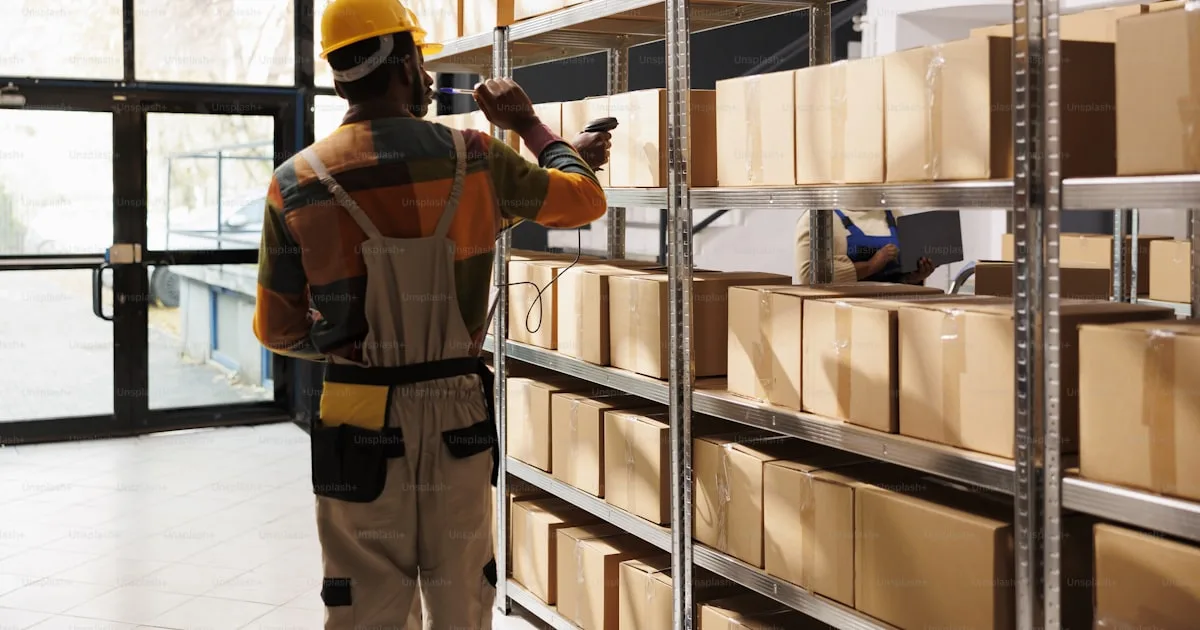
What Is an Order Management System?
An order management system (OMS) is software that aggregates orders from multiple sales channels into a single processing queue. For Malaysian sellers running Shopee MY and Lazada MY simultaneously, an OMS replaces the manual tab-switching workflow with one consolidated dashboard for picking, packing, and shipping.
An OMS connects to each marketplace through an API integration. When a customer places an order on Shopee MY, that order appears in your OMS alongside any concurrent Lazada MY or TikTok Shop orders. From that single queue, you process all orders: print pick lists, generate shipping labels, and dispatch — without logging into each platform individually.
The OMS then syncs the tracking number back to the originating marketplace automatically. The customer gets their notification, and your seller rating is not affected by manual update delays.
What an OMS Actually Does
The core functions of an order management system are distinct from marketing descriptions. Here is what the software does in a Malaysian ecommerce context.
Order Aggregation Across Channels
An OMS pulls live orders from every connected channel — Shopee MY, Lazada MY, TikTok Shop, Shopify, WooCommerce — into one interface. Orders from all platforms appear in the same queue sorted by urgency, deadline, or channel. You handle them from one screen rather than switching between platforms.
This matters most during campaign periods. During Shopee’s 9.9 or Lazada’s 12.12 sales, order volume can spike sharply over a short window. Manual multi-tab processing creates delays, missed orders, and shipping deadline failures. An OMS processes the same volume from a single queue.
Inventory Allocation
When an order arrives, the OMS checks available stock and allocates units to that order. If the same SKU is listed on both Shopee MY and Lazada MY, the OMS decrements stock from both listings simultaneously when either channel sells a unit.
This prevents overselling — one of the most common pain points for Malaysian multi-channel sellers who manage stock in a spreadsheet. When Shopee sells the last unit of a product, the OMS immediately updates the Lazada listing quantity to zero before a second order can come through on the other channel.
Shipping Label Generation
An OMS integrates with logistics providers — Ninja Van MY, Pos Laju, J&T Malaysia, DHL eCommerce — and generates shipping labels directly within the platform. You do not need to navigate to each courier’s portal separately. Labels are generated in bulk, printed, and attached to parcels in one workflow.
For sellers using Shopee’s integrated logistics (Shopee Xpress, Shopee Standard), the OMS also handles label generation within the Shopee fulfilment flow. According to Shopee’s seller documentation, sellers who integrate automated label printing report significant reductions in order processing time during high-volume periods.
Tracking Number Sync
After a parcel is dispatched, the OMS pushes the tracking number back to the originating marketplace automatically. Shopee and Lazada both require sellers to upload tracking numbers within defined windows. Missing these windows can affect your seller rating and order completion metrics.
An OMS eliminates the manual upload step. Once a label is generated and the parcel is marked as dispatched in the OMS, the tracking sync happens without further action from the seller.
Order Routing for Multi-Warehouse Operations
Sellers operating from more than one warehouse location — or using a third-party logistics provider alongside their own storage — can configure routing rules in an OMS. An order can be automatically assigned to whichever warehouse holds the relevant stock, or to the warehouse closest to the delivery address.
This feature is relevant for Malaysian sellers using ecommerce fulfilment services alongside their own storage, where routing decisions would otherwise be made manually for each order.
When You Actually Need an OMS
An OMS is not necessary for every operation. Shopee MY and Lazada MY both provide built-in seller dashboards that handle order processing adequately for single-channel or low-volume multi-channel operations.
The indicators that signal an OMS is worth evaluating:
You sell on two or more marketplaces. The moment you run Shopee and Lazada simultaneously, coordination overhead starts. Stock discrepancies are the first symptom — the OMS stock allocation layer prevents them.
Daily order volume regularly exceeds 30 orders. Below this threshold, manual processing is manageable for most sellers. Above it, the time spent logging into each platform, generating labels separately, and uploading tracking numbers adds up. Based on seller community feedback, operations processing 50 or more orders per day across two platforms typically see clear time savings within the first month of OMS use.
Shipping deadline misses are recurring. Marketplace shipping deadlines are strict. Consistently missing them damages your seller score. If late dispatch is a recurring issue due to internal processing slowdowns — not courier delays — an OMS shortens the time between order receipt and label generation.
You are adding a new sales channel. Adding TikTok Shop or your own website to an existing Shopee and Lazada operation without an OMS means adding a third manual processing flow. This is the most common trigger point Malaysian sellers report for switching to an OMS.
OMS vs WMS: What Is the Difference?
These terms appear together frequently but address different parts of your operation.
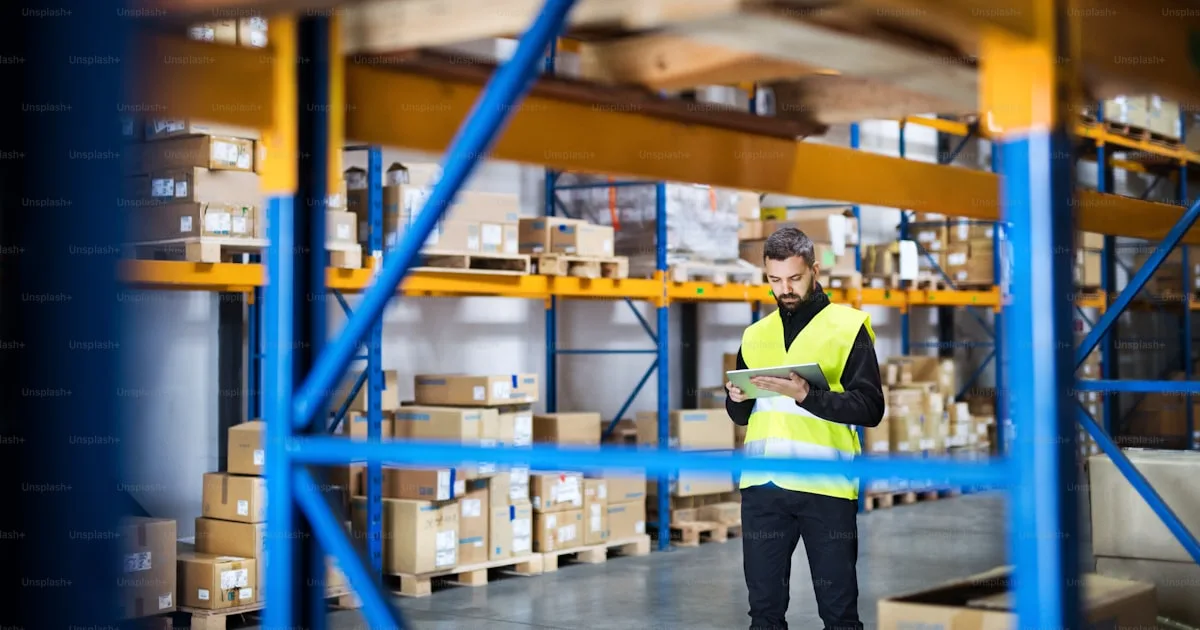
An OMS manages the commercial flow: it captures orders from marketplaces, allocates stock, generates labels, and sends tracking numbers back. It does not manage where products are stored in your warehouse or how your picking team moves through the space.
A warehouse management system manages the physical warehouse: bin locations, structured pick routes, receiving workflows, and physical inventory counts. It tells your staff where to find each product and how to move through the warehouse efficiently.
The two systems often integrate. The OMS receives the order and passes a pick instruction to the WMS. The WMS directs the pick and confirms completion back to the OMS, which then generates the shipping label. For sellers operating at high order volumes with a dedicated warehouse team, this integration is where operational gains compound.
For sellers under around 200 orders per day operating from a single storage space, an OMS alone is generally sufficient. A WMS becomes relevant when warehouse efficiency — not just order throughput — becomes the bottleneck.
OMS Tools Available in Malaysia
Several OMS platforms have direct integrations with Malaysian marketplaces and local logistics providers.

The most commonly reported tools among Malaysian sellers, based on seller community reviews and official platform documentation:
Ginee — Supports Shopee MY, Lazada MY, and TikTok Shop. Free tier available for low-volume sellers. Paid plans add bulk label printing, inventory sync, and multi-warehouse support. Indonesian-founded tool with strong SEA coverage across Malaysia, Indonesia, and the Philippines.
Sellercraft — Supports Shopee MY, Lazada MY, TikTok Shop, and Shopify. Used by Malaysian sellers running moderate to high order volumes. Includes shipping rate comparison and integrated courier booking for Ninja Van and Pos Laju.
Jubelio — Stronger on the warehouse management side alongside OMS features. Suitable for sellers who need both order processing and basic bin management in one platform.
Anchanto — Enterprise-grade OMS with warehouse module. Used by larger Malaysian ecommerce operations and regional brands. Higher price point than Ginee or Sellercraft.
For a side-by-side feature comparison and pricing breakdown, see the order management systems guide for Malaysia.
Frequently Asked Questions
What is an order management system?
An order management system (OMS) is software that collects orders from all your sales channels — Shopee MY, Lazada MY, TikTok Shop, your own website — and processes them from a single dashboard. It handles order routing, stock allocation, label generation, and tracking number updates back to the marketplace. The goal is to replace the manual process of logging into each platform separately to pick, pack, and ship.
Do I need an OMS if I only sell on one marketplace?
Not necessarily. Shopee and Lazada both provide built-in seller dashboards for order processing. An OMS becomes worthwhile when you expand to two or more channels, when daily orders regularly exceed 30 per day and manual processing slows you down, or when stock discrepancies between platforms become a recurring problem.
Which order management systems work with Shopee Malaysia and Lazada Malaysia?
Ginee, Sellercraft, Jubelio, and Anchanto all support both Shopee MY and Lazada MY. Ginee and Sellercraft are the most commonly reported tools among Malaysian sellers running under 500 orders per day, based on seller community reviews. Anchanto is positioned for larger operations processing high volumes.
How much does an order management system cost in Malaysia?
OMS pricing varies widely in Malaysia. Ginee offers a free tier for low-volume sellers. Mid-tier plans from Sellercraft and Jubelio typically range from RM 100 to RM 500 per month depending on order volume and channel count. Enterprise platforms like Anchanto start at RM 2,000+ per month. Most tools charge by order volume or active channel count.
What is the difference between an OMS and a WMS?
An OMS manages the commercial flow of an order — capturing it from the marketplace, allocating stock, generating a shipping label, and sending the tracking number back. A warehouse management system (WMS) manages the physical side — where a product sits in the warehouse, how pickers are routed, and how physical counts are verified. For most Malaysian sellers under 200 orders per day, an OMS alone is sufficient.
Keep Reading
- Order Management Systems for Malaysian Sellers — compare OMS tools available in Malaysia with features and pricing
- Warehouse Management System Malaysia — when your operation grows beyond what an OMS alone can handle
- Ecommerce Inventory Management — stock sync across Shopee MY, Lazada MY, and TikTok Shop